Antioxidants and Healthy Aging Through Food
A Warm Guide to Colorful Plates for Everyday Wellness
LetsGo Care Editorial
Antioxidants and Healthy Aging Through Food
Every colorful bite on your plate tells a story of support for your body's daily rhythms and long-term vitality.
Antioxidants are natural compounds found in many plant foods that help neutralize free radicals, which are unstable molecules produced during normal metabolism and from environmental factors. As we age, incorporating a variety of these compounds through everyday meals can be a thoughtful way to nourish cellular health and promote overall well-being without relying on isolated supplements.
Understanding Antioxidants in Everyday Foods
Antioxidants such as vitamins C and E, carotenoids, and polyphenols occur naturally in fruits, vegetables, nuts, and whole grains. These compounds work together in the body to help manage oxidative stress, a process linked to normal aging. Focusing on whole food sources allows for a synergistic effect that isolated nutrients cannot replicate.
Colorful Produce as Your Primary Source
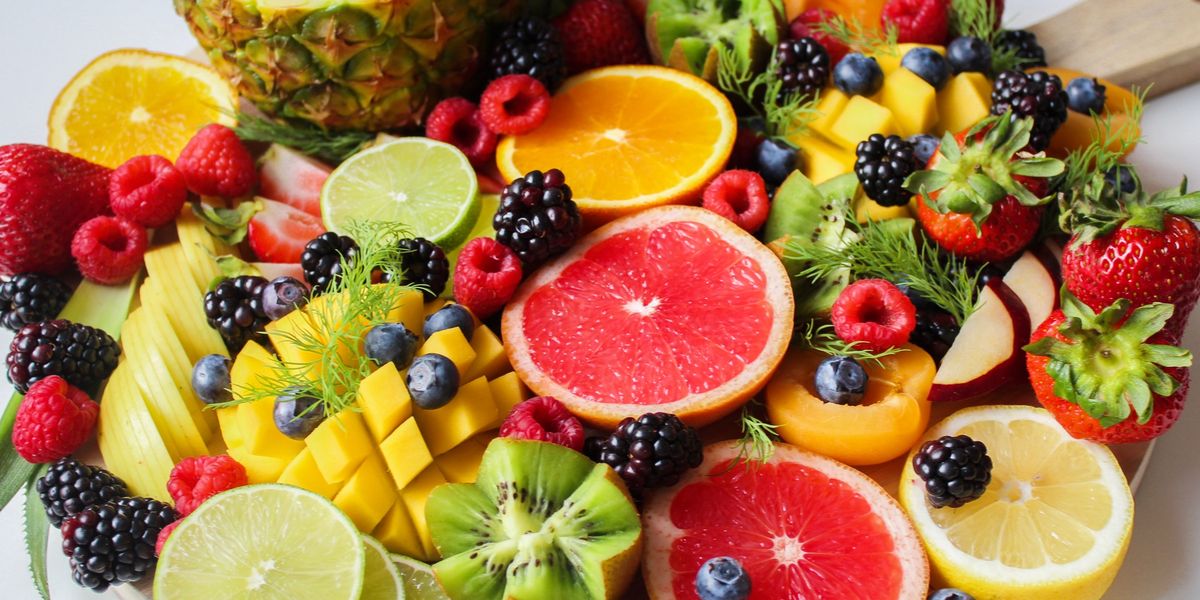
Brightly hued foods like blueberries, spinach, tomatoes, and sweet potatoes provide a spectrum of antioxidants. Eating a rainbow of produce daily offers diverse protective compounds that support skin health, immune function, and energy levels as part of a balanced diet for aging gracefully.
Meal Planning Tips for Antioxidant Intake
Simple strategies include adding berries to oatmeal, tossing mixed greens into lunches, or roasting a variety of vegetables for dinner. These habits build consistent exposure to beneficial plant compounds while keeping meals enjoyable and nutrient-dense over time.
More on Antioxidants
Antioxidants
Antioxidants and Healthy Aging: What Foods Can Offer
Antioxidants from whole foods such as berries, leafy greens, and nuts may help counter oxidative stress linked to aging, though human evidence shows modest and context-specific effects rather than dramatic longevity gains.
Antioxidants
Antioxidants in Everyday Foods: Practical Guidance for Cellular Support
Antioxidants are compounds found in many plant foods that can help neutralize reactive molecules produced during normal metabolism; current evidence from dietary patterns shows modest associations with better health markers but does not support guarantees of extended lifespan or disease prevention.
Antioxidants
Antioxidants in Everyday Foods: What the Evidence Shows for Healthy Aging
Antioxidants from vegetables, fruits, nuts, and whole grains help neutralize reactive oxygen species generated during normal metabolism; observational data link higher dietary intake patterns to lower rates of age-related conditions, though causation remains difficult to isolate from overall diet quality.