Antioxidants and Healthy Aging Through Everyday Foods
A Food-First Look at Supporting Cellular Health
LetsGo Care Editorial
Antioxidants and Healthy Aging Through Everyday Foods
Oxidative stress accumulates over decades, yet many adults overlook how everyday food choices can influence this process in meaningful ways.
Antioxidants are compounds found in plant foods that may neutralize free radicals, molecules that contribute to cellular wear over time. While research continues to evolve, focusing on dietary patterns rich in these compounds aligns with broader evidence on aging well through nutrition.
In this article
- How Do Antioxidants Work in the Body?
- Which Foods Provide Antioxidants Naturally?
- What Evidence Links Antioxidants to Aging Processes?
- How Can Meal Planning Include More Antioxidant Foods?
How Do Antioxidants Work in the Body?
Antioxidants donate electrons to stabilize free radicals, potentially reducing damage to DNA, proteins, and lipids. This mechanism is well-established in lab studies, though human outcomes depend on overall diet patterns and lifestyle factors rather than isolated compounds.
Which Foods Provide Antioxidants Naturally?
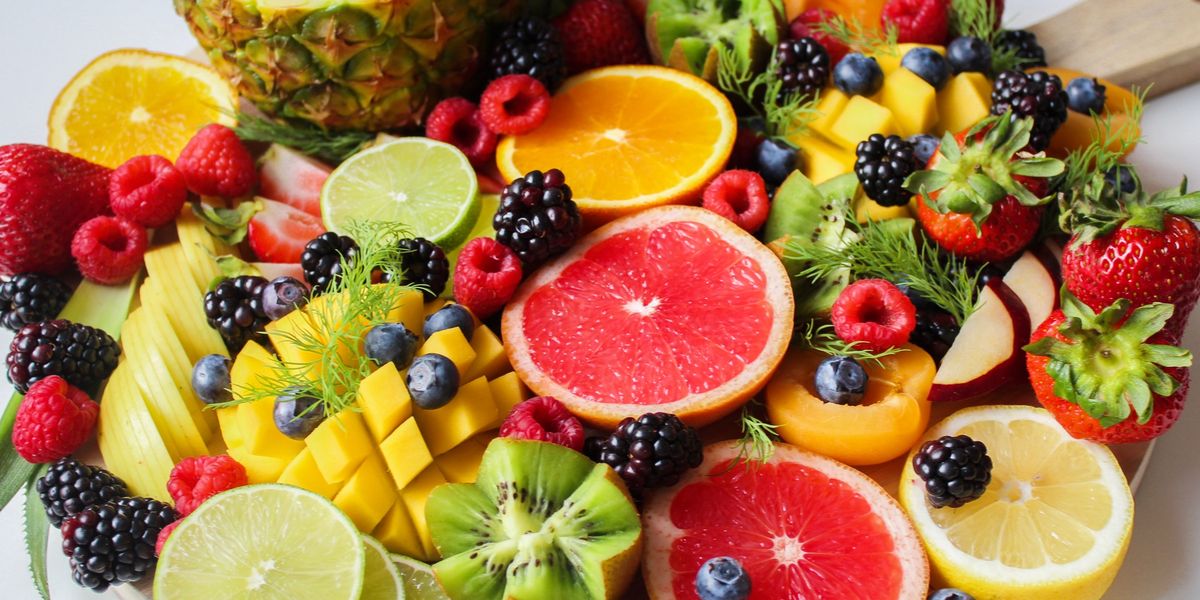
Colorful produce such as berries, leafy greens, tomatoes, and nuts supply a range of antioxidants including polyphenols and carotenoids. Pairing these with protein sources like eggs or legumes in meals may support sustained nutrient intake throughout the day.
More on Antioxidants
Antioxidants
Antioxidants and Healthy Aging: What Foods Can Offer
Antioxidants from whole foods such as berries, leafy greens, and nuts may help counter oxidative stress linked to aging, though human evidence shows modest and context-specific effects rather than dramatic longevity gains.
Antioxidants
Antioxidants in Everyday Foods: Practical Guidance for Cellular Support
Antioxidants are compounds found in many plant foods that can help neutralize reactive molecules produced during normal metabolism; current evidence from dietary patterns shows modest associations with better health markers but does not support guarantees of extended lifespan or disease prevention.
Antioxidants
Antioxidants in Everyday Foods: What the Evidence Shows for Healthy Aging
Antioxidants from vegetables, fruits, nuts, and whole grains help neutralize reactive oxygen species generated during normal metabolism; observational data link higher dietary intake patterns to lower rates of age-related conditions, though causation remains difficult to isolate from overall diet quality.