Antioxidants and Healthy Aging: Food Sources Explained
Evidence-Based Insights on Dietary Antioxidants
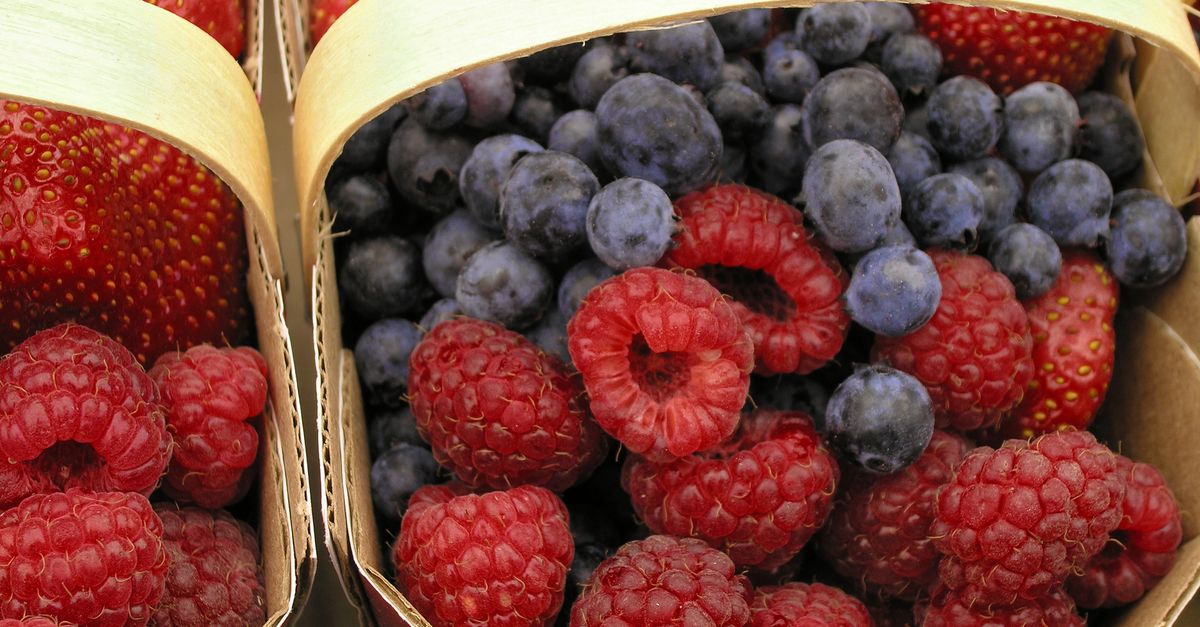
Oxidative stress accumulates with age, prompting many to ask how everyday foods might offer protective compounds.
Antioxidants are molecules in plant foods that can neutralize free radicals, potentially limiting cellular damage from oxidative stress. Evidence on their impact during aging remains mixed, with stronger data for overall dietary patterns than isolated effects.
In this article
- What Role Do Antioxidants Play in the Body?
- Which Foods Naturally Supply Antioxidants?
- What Does Research Indicate About Antioxidants and Aging?
- How Might Meal Planning Include More Antioxidant Foods?
What Role Do Antioxidants Play in the Body?
These compounds help stabilize reactive molecules produced during normal metabolism and environmental exposures. While they contribute to cellular defense, their benefits appear most consistent when obtained through varied whole-food diets rather than concentrated forms.
Which Foods Naturally Supply Antioxidants?
Colorful produce such as berries, leafy greens, tomatoes, and nuts provide a range of antioxidants including polyphenols and carotenoids. Pairing these with protein sources like legumes or fish may enhance meal satiety and support muscle health alongside antioxidant intake.
More on Antioxidants
Antioxidants
Antioxidants and Healthy Aging: What Foods Can Offer
Antioxidants from whole foods such as berries, leafy greens, and nuts may help counter oxidative stress linked to aging, though human evidence shows modest and context-specific effects rather than dramatic longevity gains.
Antioxidants
Antioxidants in Everyday Foods: Practical Guidance for Cellular Support
Antioxidants are compounds found in many plant foods that can help neutralize reactive molecules produced during normal metabolism; current evidence from dietary patterns shows modest associations with better health markers but does not support guarantees of extended lifespan or disease prevention.
Antioxidants
Antioxidants in Everyday Foods: What the Evidence Shows for Healthy Aging
Antioxidants from vegetables, fruits, nuts, and whole grains help neutralize reactive oxygen species generated during normal metabolism; observational data link higher dietary intake patterns to lower rates of age-related conditions, though causation remains difficult to isolate from overall diet quality.