Anti-Inflammatory Lifestyles: Simple Daily Habits for Healthy Ageing
Practical ways to support wellbeing through food, sleep and routines
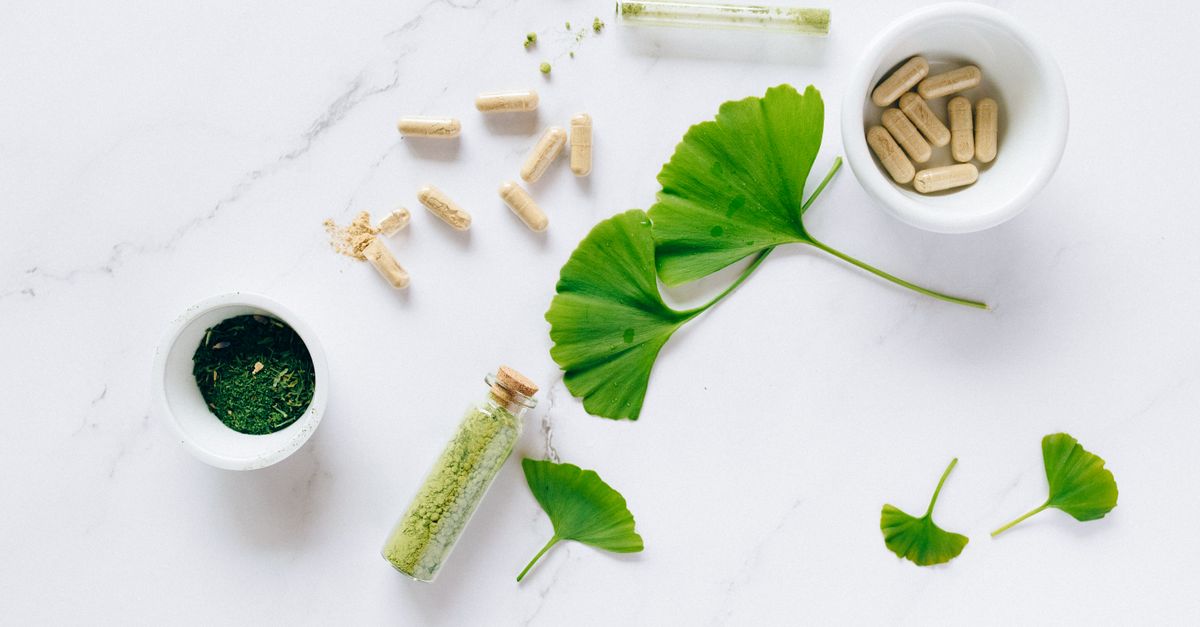
Small, consistent changes in daily life can feel reassuring when thinking about inflammation and long-term health.
An anti-inflammatory lifestyle focuses on steady habits rather than quick fixes. Evidence suggests that patterns of eating, sleeping and managing daily stress may play a role in how the body handles low-grade inflammation over time, though individual responses vary and research continues to evolve.
In this article
- Which foods are often discussed in relation to inflammation?
- How might sleep routines influence inflammation?
- What role does stress balance play?
- How do these elements work together in practice?
Which foods are often discussed in relation to inflammation?
Colourful vegetables, oily fish, nuts and olive oil appear in many studies examining dietary patterns and inflammatory markers. These choices fit easily into UK meals and may support overall balance, though results differ between people and more long-term human trials are needed.
How might sleep routines influence inflammation?
More on Anti-Inflammatories
Anti-Inflammatories
Five questions to ask in London before you book anti-inflammatories
From London: Amelia Hart takes anti-inflammatories off the brochure and onto a dated briefing (2026-01). Mechanism, evidence grade, who should wait, and what a four-week trial would actually include.
Anti-Inflammatories
Five questions to ask in London before you book anti-inflammatories
From London: Amelia Hart takes anti-inflammatories off the brochure and onto a dated briefing (2026-01). Mechanism, evidence grade, who should wait, and what a four-week trial would actually include.
Anti-Inflammatories
What London menus actually sell when they say "Anti-Inflammatories"
From London: Amelia Hart takes anti-inflammatories off the brochure and onto a dated briefing (2026-01). Mechanism, evidence grade, who should wait, and what a four-week trial would actually include.