Anti-Inflammatory Lifestyles for Heart Wellness
Daily Habits That May Support Cardiovascular Function Over Time
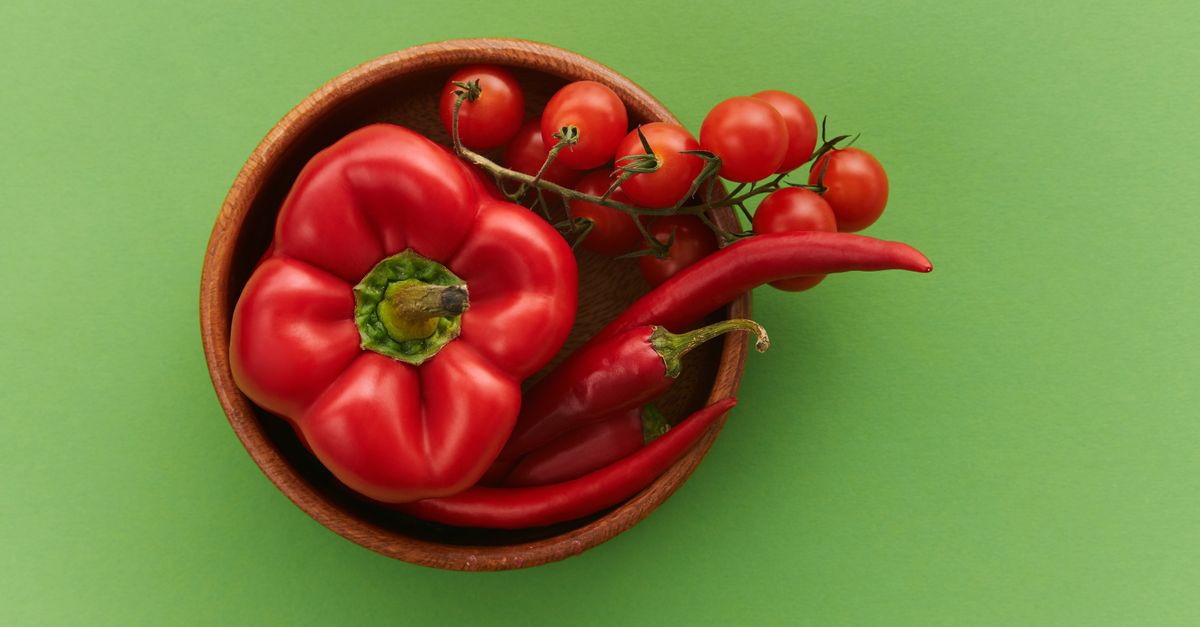
Small, consistent shifts in daily routines around food and recovery may influence inflammation pathways linked to cardiovascular resilience.
Anti-inflammatory lifestyles emphasize patterns of eating, moving, and resting that research associates with steadier biomarkers of inflammation. This article outlines established observations and emerging areas while focusing on actionable steps suitable for high-agency adults exploring longevity tools like those at LetsGo.Health.
In this article
- How Certain Foods May Influence Inflammatory Pathways
- Exercise Patterns That Align With Lower Inflammation
- Sleep, Stress, and Their Interplay With Inflammation
- Tracking Progress Without Over-Reliance on Single Metrics
How Certain Foods May Influence Inflammatory Pathways
Population data link higher intakes of vegetables, fatty fish, nuts, and olive oil with lower circulating markers such as CRP. Mechanisms involve omega-3 fatty acids and polyphenols modulating cell signaling, though individual responses vary and long-term trials remain limited in scope.
More on Anti-Inflammatories
Anti-Inflammatories
Five questions to ask in London before you book anti-inflammatories
From London: Amelia Hart takes anti-inflammatories off the brochure and onto a dated briefing (2026-01). Mechanism, evidence grade, who should wait, and what a four-week trial would actually include.
Anti-Inflammatories
Five questions to ask in London before you book anti-inflammatories
From London: Amelia Hart takes anti-inflammatories off the brochure and onto a dated briefing (2026-01). Mechanism, evidence grade, who should wait, and what a four-week trial would actually include.
Anti-Inflammatories
What London menus actually sell when they say "Anti-Inflammatories"
From London: Amelia Hart takes anti-inflammatories off the brochure and onto a dated briefing (2026-01). Mechanism, evidence grade, who should wait, and what a four-week trial would actually include.