Anti-Inflammatory Habits for Cardiovascular Wellness
Evidence-Aware Approaches to Daily Routines
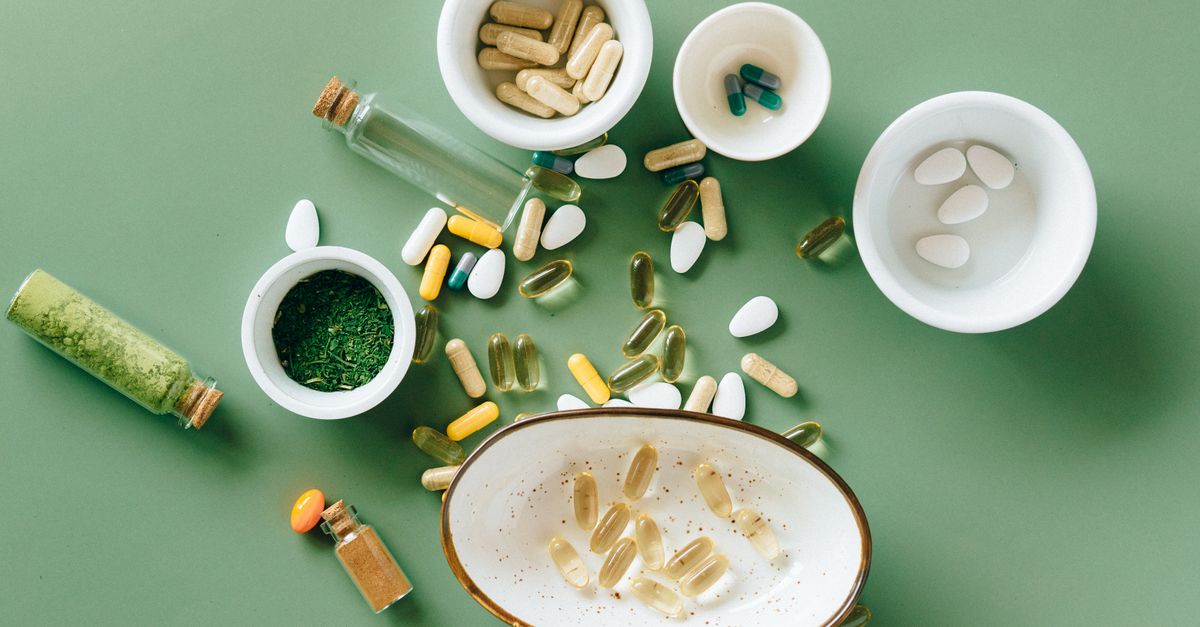
Low-grade inflammation accumulates with age and daily stressors, yet consistent habits may help modulate its effects on cardiovascular systems.
Anti-inflammatory approaches focus on sustainable lifestyle elements rather than isolated interventions. Research links chronic inflammation to vascular changes, though individual responses vary and evidence continues to evolve. This article outlines established patterns in movement, sleep, and nutrition that align with heart-healthy routines.
In this article
- What Mechanisms Link Inflammation to Heart Health?
- Which Foods Fit an Anti-Inflammatory Pattern?
- How Do Exercise and Stress Habits Influence Inflammation?
- How Can Progress Be Measured Without Overcomplicating?
What Mechanisms Link Inflammation to Heart Health?
Inflammation involves cytokine signaling and oxidative stress that can affect endothelial function over decades. Established studies show associations between elevated markers like CRP and cardiovascular outcomes, while emerging data explore myokine release from regular activity as a counter-regulatory pathway. Clinical observations note that sleep disruption amplifies these signals, though causation remains under study.
More on Anti-Inflammatories
Anti-Inflammatories
Five questions to ask in London before you book anti-inflammatories
From London: Amelia Hart takes anti-inflammatories off the brochure and onto a dated briefing (2026-01). Mechanism, evidence grade, who should wait, and what a four-week trial would actually include.
Anti-Inflammatories
Five questions to ask in London before you book anti-inflammatories
From London: Amelia Hart takes anti-inflammatories off the brochure and onto a dated briefing (2026-01). Mechanism, evidence grade, who should wait, and what a four-week trial would actually include.
Anti-Inflammatories
What London menus actually sell when they say "Anti-Inflammatories"
From London: Amelia Hart takes anti-inflammatories off the brochure and onto a dated briefing (2026-01). Mechanism, evidence grade, who should wait, and what a four-week trial would actually include.